The famous anonymous voices that gave life to the Apple and Google “assistants”, and how the tech giants ended up not paying them




Abonează-te la canalul nostru de WhatsApp, pentru a primi materialul zilei din Panorama, direct pe telefon. Click aici
How the voice of Siri was born
Susan Bennett is a musician and about 20 years ago she was at Doppler Studio, a recording studio in Atlanta, USA, where she worked on a musical jingle for a commercial. After she finished what she had to do, because the voice actor that had to read the script missed his appointment, the studio asked her to take his place. This is how Bennett became a voice actor and the projects started to come in.
What followed transformed Susan Bennett’s voice into one of the most recognizable voices in the world: the first version of the Apple Siri voice assistant.
“Starting in 2005, I was given these very crazy scripts. The reason I say they’re crazy is because all of the phrases and sentences that I had to read made no sense, like «cow hoist in the tub hut today» or «say just fresh issue today»”
The sentences and phrases in the script were not built for meaning, but to catch all the inflexions and combinations of sounds of the human speech, explains Bennett in an interview for Panorama. Afterwards, the technicians cut those sounds and inflections and assembled them to form new words and phrases.
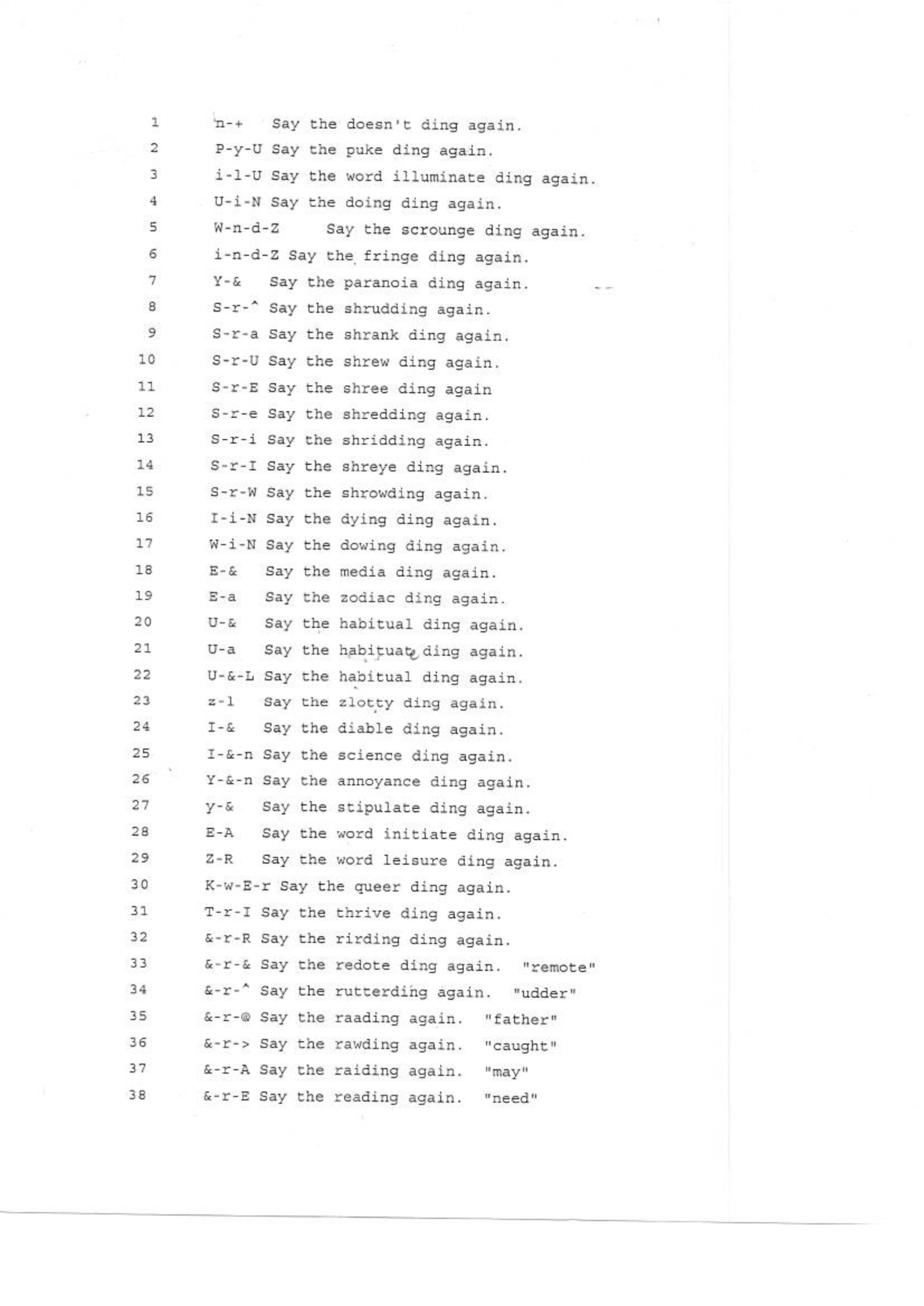
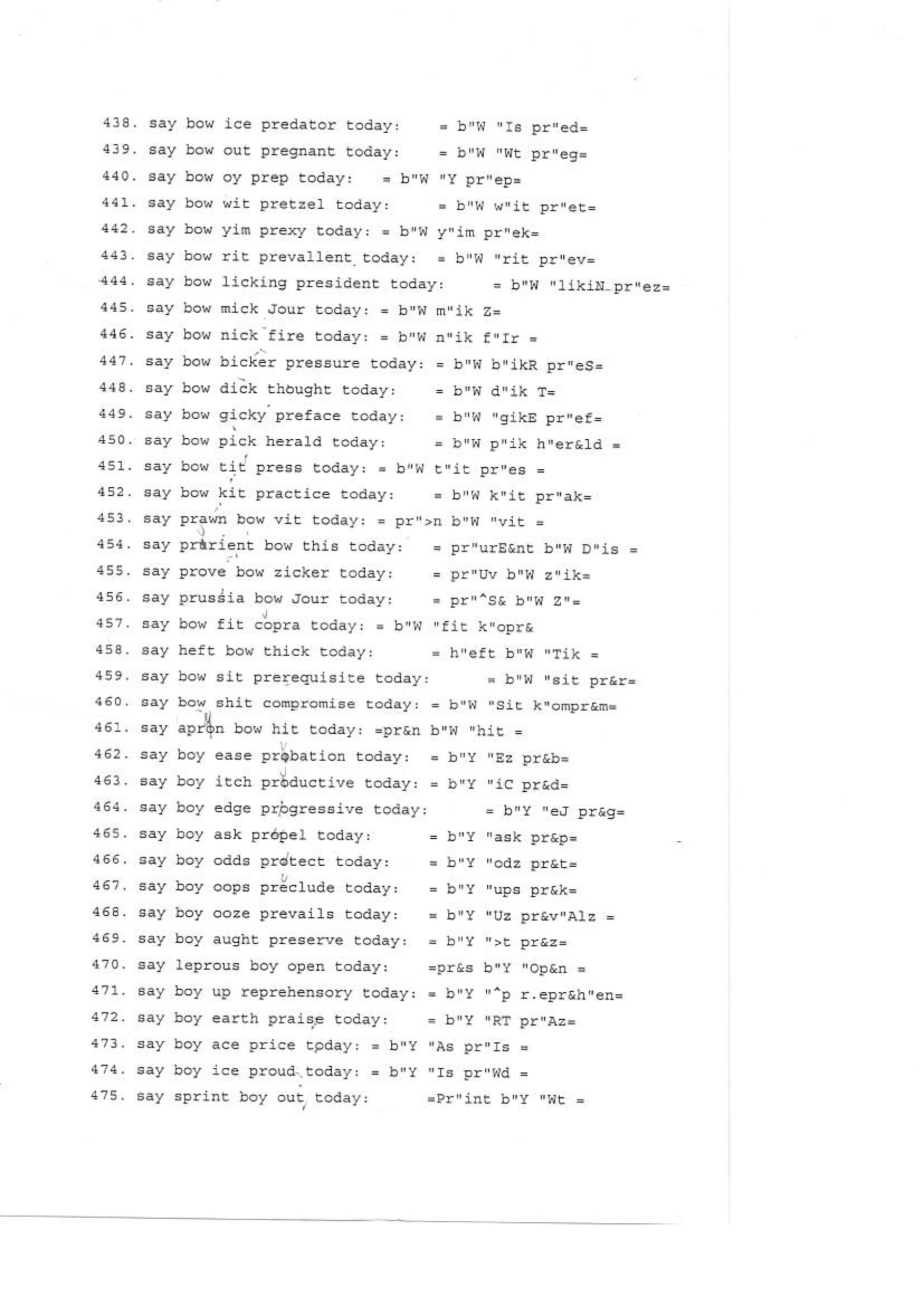
The voice actress recorded the scripts for four weeks, four hours a day, during the month of July 2005. Another four months of recordings followed, in which she read books that listed various addresses or cities.
This is how the Apple Siri voice assistant was born, after Apple acquired the recordings from the studio for which Susan made them and used them for their own voice assistant. Siri and Susan Bennett’s voice reached the general public only six years later, when Apple launched, on October 4, 2011, the iPhone 4S smartphone.
Apple defined Siri as “an intelligent assistant that helps you get things done just by asking” and mentioned in the press release that the software is capable of answering questions in a human way and can make contextual associations – for example, when a user asks if they should get an umbrella, Siri will understand that the requested information is, in fact, about the weather forecast.
Citește și: Cum ne-au cucerit emojiurile comunicarea online, de la designerii care le-au creat, până la „ministerul” care le aprobă 🤓
The first “voice” behind Siri had no idea she was famous and she did not make money
Susan Bennett says she did not know about the Siri project, when she worked with the studio, in 2005.
“No one who wasn’t in the field, no one who wasn’t an engineer or a person that was in the process of making Siri had no idea where it was going to be used. I thought it was going to be used for telephone messaging. Certainly, I wasn’t given the whole story when we were recording”, Bennett says for Panorama.
The voice actress also says that, although she had a contract signed with the studio and was paid when she recorded, Apple did not pay her afterwards for the rights to use her voice in the famous voice assistant that was integrated on millions of iPhone devices. This was a frequent way of working in the industry, in the beginning of 2000s, she explains, because the development of the voice assistants for phones or GPS was something new, so often the voice actors did not know for what their voice recordings will end up being used.
In fact, Bennett says that she discovered by accident, through a colleague in the vocal acting industry, that Apple used her voice for Siri, in 2011.
“A voice actor I had never met, I’d worked with him remotely, he emailed me, and said: «hey, we’re playing around with this new iPhone app, isn’t this you? »”, Bennett says. “I went on the Apple site and listened, and said, yeah, that’s me. So, I started to call around and try to figure out what I could do about that”, she adds.
What followed was a period of consulting lawyers, including one extremely well known and well placed professionally. He told her that, after analyzing the paperwork and information, she cannot ask to be paid for the royalties of using her voice in Siri. On the other hand, the lawyer suggested she should enjoy the benefits and celebrity, although she was not paid.
“It was a great life lesson, because I was horrified when I found out that I was Siri and I was on these millions of phones. It was a threat to my voiceover career, because if everyone heard my voice all the time, they wouldn’t want to hire me for a commercial or some other project”, Susan Bennett explains.
In 2013, CNN published a piece that said that, although Apple kept a mysterious attitude regarding who was Siri’s voice, Susan Bennett is the one that is behind the voice of the famous voice assistant. The journalists verified the information with “professionals who know her voice and lawyers who represent her legally”. The hypothesis was also tested with an audio-forensics expert, with 30 years of experience in the field, who analyzed the recordings of the voice and confirmed 100% that they came from the same person.
Up until the publishing of this story, Apple had not responded to Panorama’s press inquiry for a statement regarding the presented situation.
Siri’s voices, kept a secret to let users imagine them by themselves
After a few years, Apple stopped using the original voice of the voice assistant, but Bennett does not know when exactly the change was made and why. When Apple started to change Siri’s voices, Bennett says she does not know if they used different voice actors or they just digitally altered the initial recordings, to sound different.
Apple’s voice assistant was adapted for regions, in its first iterations, for voices to sound as “local” as they could, so there were four voice actors, Bennett explains: Karen Jacobsen (the Australian voice of Siri), John Briggs (“Daniel” or the first male voice of Siri, British), and a French voice actor she says she did not meet. Briggs did not respond to Panorama’s request for an interview.
The voice actress also says that the reason she can speak publicly about the fact that she was Siri’s voice (she is not the only one, Briggs and Jacobsen have this public information about their career) is that none of them had non-disclosure agreements signed with Apple, at the beginning of 2000s, when they made the recordings.
However, Susan Bennett also has an explanation that could justify the reason for Apple to keep the secret about who were the voices of Siri: users should have imagined by themselves the voice assistants they were speaking to.
“It was important to them that anyone who had an iPhone could imagine their own Siri. So, if they knew who we were, then they’d think of us when they were talking to us. But they wanted everyone to be able to imagine their own Siri”. Bennett says she doesn’t know for sure if she read this somewhere or it’s a personal conclusion, because too much time has passed since that moment.
An Australian guided us through the cities, with her voice in Google Maps and other GPS apps
Karen Jacobsen was the Australian voice of Siri, and she did not become famous for being the voice of Apple’s voice assistant, but the one in other app used by billions of users: Google Maps.
Google officially launched Maps on February 8, 2005, when the service had only a desktop version and wanted “to simplify how to get from point A to point B”. In 2007, the company created Google Maps 2.0, a version for mobile devices, and in October 2009 added vocal assistance to the GPS navigation service. This way, the drivers could “tell your phone what you want to do, and navigation will start automatically”. This way, during the trip there was information about the route or when the driver should turn on a certain street.
Karen Jacobsen began as a singer and composer. She chose to study music in college and that was the moment when she started recording jingles and being interested in voice acting, because it seemed an activity where people had fun. This is how she became a voice actor in Australia, where this career was her main source of income for 10 years, and afterwards she moved to New York.
In 2002, she participated in a voice audition which she knew it was for the development of a very important system, that would be used on a large scale. She won the audition at first try and she had to record 50 hours of script, and the recordings were cut to create the vocal system using the voice of the actress.
“At that time, they were not aware, or certainly didn’t tell me, that it would be certain specific places that it would go. I knew that it was a generic system, but at that time, even the GPS technology, it was used in the military, but not used in everyday life, in civilian life”, Jacobsen explains in an interview for Panorama.
“I really had absolutely no clue it would do what it’s done and be licensed to major global corporations for decades”, she adds.
Jacobsen says that the work was exhausting because it meant hours of recordings from a huge script.
“At one point I had to say the word «approximately» 168 times in a row and I know this because I counted them afterwards. It was things like «in approximately 10 meters», «in approximately 20 meters», «in approximately 50 meters» and other things like this”.
Sometimes, the recordings were reading certain phrases, numbers or addresses, and the most difficult part throughout the work was that Jacobsen had to always keep her voice at the same calm level, to not sound tired at all, to always be consistent.
After the launch of the Google Maps assistant, Jacobsen found out from her friends that her voice was in the Google service. Because she knew she signed a contract and that contract was non-negotiable with the studio where she made the recordings and which sold them to Google, Jacobsen did not try any legal solution, but she says that she was not paid royalties by the tech giant for using her voice in Google Maps.
“The voice system was recorded for a specific company (note: the studio), and that company licensed the voice system to all these different companies. So, I have never had a contract with Apple, I haven’t had a contract with Google Maps, I haven’t had a contract with Garmin, TomTom, Mio. They just kept licensing it and they still do”, explains Karen Jacobsen.
Google did not respond to Panorama’s press inquiry regarding an official statement about using Karen Jacobsen’s voice in Google Maps, up until the publishing of this article.
The first “voice” of Google Voice was bought as a package
In 2007, Google acquired, for over 50 million dollars, the phone management service Grand Central, the one which would later become Google Voice, noted TechCrunch.
After the launch of a first version of Google Voice, constantly made better for a year, Google announced in June 2010 that the phone service becomes available to all the users from United States and that it already had 1 million users. The main benefit was that it allowed integrated communication management, so the user could use a single Google Voice phone number. All these also needed a voice “assistant”, that would offer instructions when they used the service.
That voice was Laurie Burke.
Because she had already studied broadcasting communication, she was a musician, and attracted to the idea of being a voiceover, Burke started studying acting, so she made an audio demo on a CD and started to send it to people in the industry, hoping to get projects. She managed to have a first project in Los Angeles and then she moved to San Francisco. Here, she found a job announcement for a voice actor on Craigslist.
“It was for a company called Grand Central, which was a startup, and I sent them my disc (note: the voice recording demo) and they called me in. They told me they liked my voice”, says Laurie Burke in an interview for Panorama.
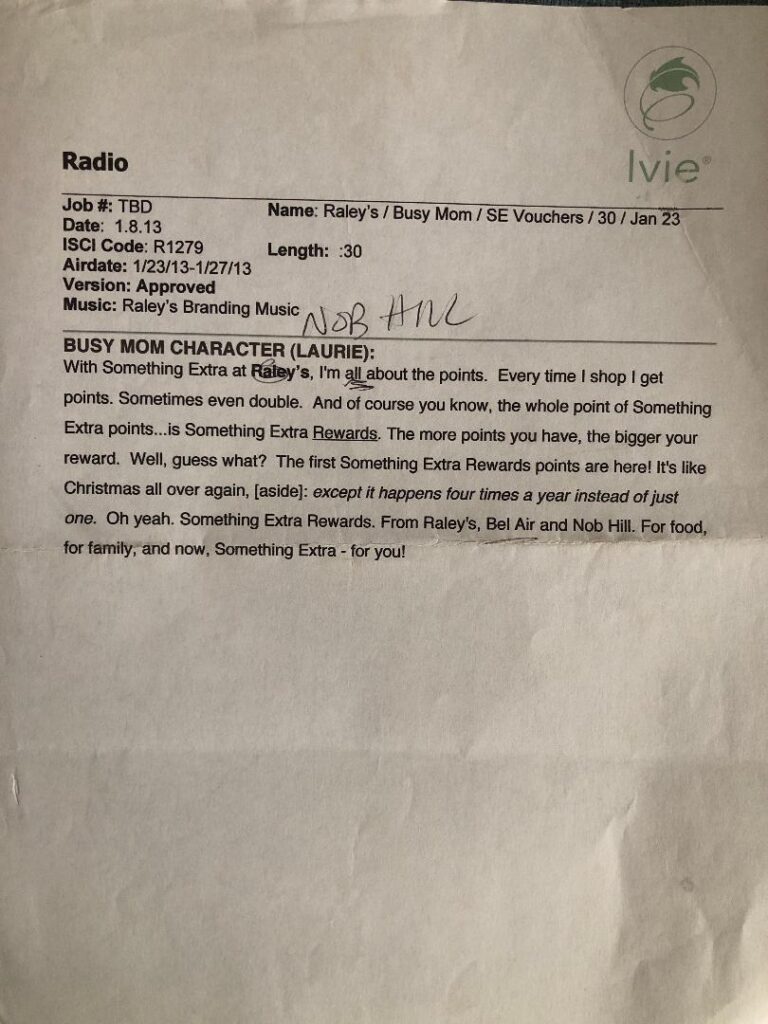
The actress started recording in 2006, for $35/hour, in an improvised studio at home, scripts that included phrases like “you have two messages”, “please hold”, and others used in a phone service, and after a short time, Grand Central was acquired by Google.
Burke says she did not know about the deal and found out after the team of Grand Central contacted her, seven months after the acquisition, to ask her to record the messages again. “I really wasn’t aware of all this, but then they started having me record saying Google, ‘cause Google bought it with my voice, and they wanted my voice on the system”, she explains.
“We need to redo everything, and say Google instead of Grand Central”.
After the company told her it was bought by Google, Burke made the recordings at home or directly at the Google’s offices, but she says she was working as a freelancer, not through an agent, and that she was not paid as an employee or rights for using her voice.
Usually, the scripts included a few phrases or short sentences, but Burke worked them in three, four different styles, so they could be used in various scenarios, when it was needed. Sometimes, she was called on the spot and asked to record small pieces of audio.
Afterwards, in a blog post from June 2010, after the large scale launch of Google Voice in the USA and approximately one year after the launch of the first iteration of the service, that included Burke’s voice, Google announced that the new voice of Google Voice will be someone else: Kiki Baessell, a Google employee.
“Kiki has absolutely no experience doing professional voiceover, which is exactly why we picked her — we wanted a pleasant, familiar voice that we wouldn’t mind listening to each time we called to check voicemail”, the post mentioned.
After she ended her collaboration with Google, Burke continued to have projects as a movie actress or in commercials, but also in voice acting where she worked with big brands. Today, besides the projects she works on, she created a program in which she mentors and helps people interested in becoming voice actors.
Unfair payment of the voices: it’s not ethical, but is it legal?
In 2018, in the press release that announced the launch of Apple HomePod, the company also mentioned a detail about the voice assistant on iPhone: Siri was actively used on more than half a billion devices.
More recent data from Google show that, in 2020, Google Maps was an app present in over 220 countries around the world and had over 200 million places around the world in the maps of the system.
The numbers are an indicator of the popularity of these apps that up until 2024 most probably gained many more millions of users globally. And with the development of generative artificial intelligence systems, they will develop further and faster in the future.
Bruce Weinstein is an ethics expert, speaker and trainer in the field, and, in his job, he offers guidance to the companies that want to use ethics in business principles more efficiently. The situation about the major corporations paying the voice actors for using their voices is nuanced, he thinks.
“If you and I agree to do something and then you end up doing something that I don’t like, that I didn’t account for in the agreement that we had, that’s unfortunate. But is it unfair?”, Weinstein asks in an interview for Panorama.
Weinstein also mentions that even though none of the voice actors could foresee that their voice would later be used in voice assistants, so they could ask for protective terms, this possibility could have been foreseen by a lawyer. However, Weinstein says he is not a lawyer by profession, so he can’t evaluate the legality of a contract.
“The reason you can foresee it is because it happens all the time. This is why a good entertainment or contracts lawyer can consider all the possibilities, all the possible things that we might not think about ourselves”, Weinstein explains.
The expert says that, although all the risks are hard to foresee, it is important that anybody who enters such a collaboration to act in their own interest. “This is the difference between ethics and the law. Ethics holds us to a higher standard, so that when a manager of, let’s say, Google looks at this contract, he can say, legally, I am not obligated to pay this person any more money. That’s right. But ethically, you are, because you’re taking advantage of them”, Weinstein adds.
One of the ways in which companies can become more ethical is to impose clear ethics policies that will also be applied. Bruce Weinstein also says that in the future, companies will start to hire more and more people to handle ethics in business, but most probably they will do this to protect themselves from legal issues, not to make sure they put their employees first.
“Does it really matter what the reason is, as long as they do it? I don’t think so”, the business ethics expert concludes.
Note: Bruce Weinstein’s quotes were edited for clarity. After the publication, he also wanted to emphasize that he is not a lawyer and, therefore, cannot analyze the legality of some contracts.
Ca să fii mereu la curent cu ce publicăm, urmărește-ne și pe Facebook.